How to Choose the Right Niagara Falls Helicopter Tour for Your Visit
Understanding the Different Tour Options
Before you book a niagara falls helicopter tour, it helps to understand that not all scenic flights are the same. Operators offer a range of experiences, from short introductory hops to extended flights that cover more of the Niagara region. The key is matching the tour to your priorities, whether that is maximizing aerial views of the falls, fitting a tight schedule, or accommodating a group with varying comfort levels.
Start by looking at the tour route. Some flights stay close to the Horseshoe Falls and the American Falls, giving you a direct overhead perspective. Others extend along the Niagara River, passing the Whirlpool Rapids and the gorge before circling back. If your main goal is to see the falls themselves, a shorter route focused on the basin might be ideal. If you want a broader sense of the landscape, consider a longer flight that covers more ground.
Flight duration is another practical factor. Tours can range from roughly 10 to 30 minutes. A shorter flight is often enough to capture the iconic views and is easier on younger children or anyone who feels nervous about flying. Longer flights offer a more relaxed pace and let you spot landmarks like the Skylon Tower or the Niagara Glen from above. Think about how much time you want to spend in the air and whether the extra minutes justify the difference in cost.
Checking the Helicopter Type and Seat Configuration
The helicopter type affects both the experience and the comfort level during the flight. Most operators use light turbine helicopters such as the Bell 206 or the Robinson R44. These models are built for scenic tours and offer good visibility. The R44 is a four-seat helicopter with a single pilot, while the Bell 206 typically carries more passengers in a larger cabin. For a niagara falls helicopter tour, the seating layout matters because it determines who gets the window seat and how unobstructed the view is.
In smaller helicopters, every seat has a window, but the view angle varies. Front seats usually provide a wide forward view, while rear seats look directly out the side. Some operators assign seats by weight to balance the aircraft, which means you may not be able to choose. If having a window seat is important to you, ask the booking agent about the policy. In larger helicopters, middle seats may have limited downward visibility, so you might want to request a window seat if the operator allows it.
Also consider noise levels. Helicopters are louder than airplanes, but modern turbine engines are relatively quiet inside the cabin. Headsets are standard on all tours, and they allow you to hear the pilot's commentary clearly. If you or someone in your group is sensitive to noise, confirm that the operator provides noise-canceling headsets or earplugs for children.
Reviewing Safety Briefings and Boarding Procedures
A thorough safety briefing is a sign of a well-run operation. Before any scenic flight, the pilot or ground crew should walk you through the emergency exits, the correct way to fasten and release your seatbelt, and what to do in an unusual situation. Pay close attention to the briefing, even if you have flown before. Each helicopter model has slightly different safety features, and the boarding procedure may vary depending on the aircraft and the landing zone.
Boarding procedures are designed for efficiency and balance. Passengers typically board in a specific order, often by seat assignment, to keep the helicopter stable on the ground. You may be asked to approach the helicopter only when signaled and to avoid walking near the tail rotor area. These rules are not just formality; they keep everyone safe while the rotors are turning. If you are traveling with children or elderly passengers, let the ground crew know so they can assist with boarding and exiting.
Weather conditions also play a big role in safety. Operators monitor wind, visibility, and precipitation closely. If conditions are marginal, flights may be delayed or rescheduled. This is a good sign, because it means the operator is prioritizing safety over keeping a schedule. When booking, check the cancellation and refund policy so you are not left out of pocket if the weather turns.

Evaluating the Tour Route and Points of Interest
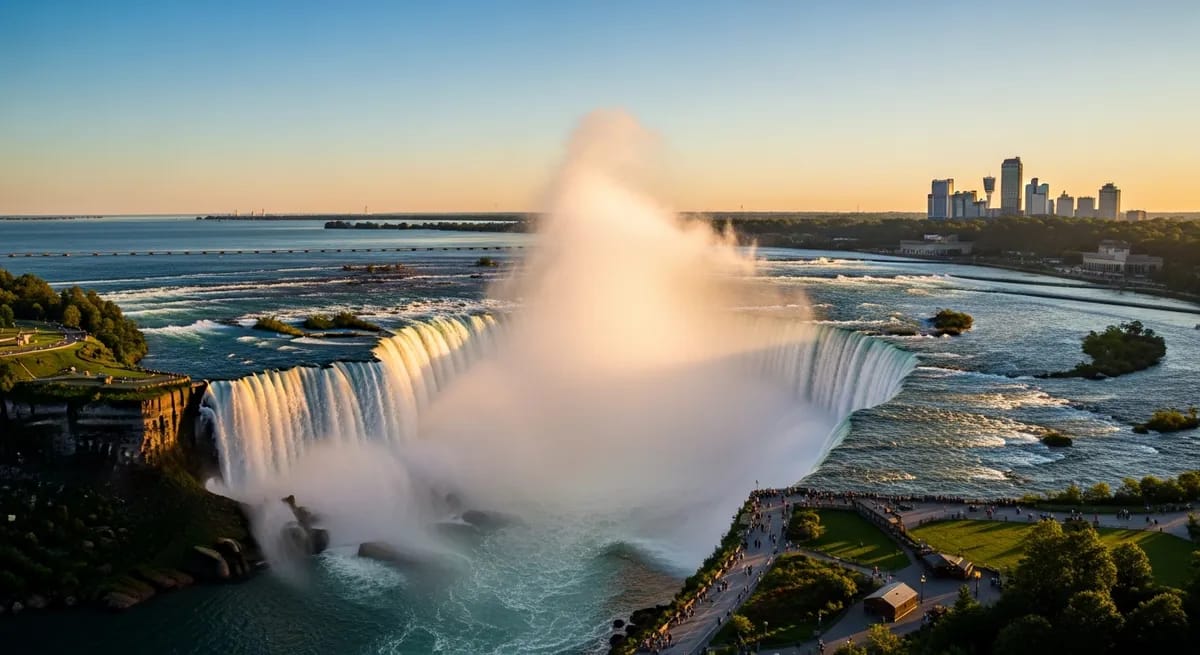
Once you have narrowed down the duration and helicopter type, study the tour route in detail. A good route will take you over the falls at an altitude that gives you a sense of scale without feeling too far away. You should be able to see the mist rising from the Horseshoe Falls and the rainbow that often forms in the spray. The best aerial views come when the pilot banks the helicopter to give both sides of the aircraft a clear look at the falls below.
Some routes also include a flyover of the Niagara Gorge, where you can see the rapids and the Whirlpool from above. This adds geological context to the views and makes the flight feel more complete. If you are interested in photography, ask whether the route allows for multiple passes over the falls. Some pilots will circle the area twice if conditions permit, which gives you a second chance to capture the shot you missed on the first pass.
For a comprehensive tour, check whether the route includes the American Falls, Bridal Veil Falls, and the Canadian Horseshoe Falls. All three are visible from the air, but the angle and distance can vary. A flight that stays too far east might miss the full sweep of the Canadian Falls. Reading recent reviews can give you a sense of whether the route delivers on the promised views. When you are researching, a site like niagarafallshelicoptertours.com can help you compare the different route options and read descriptions of what each flight covers.
Considering the Overall Experience and Logistics
Think about the entire experience from arrival to departure. Where is the helipad located relative to the falls? Some operators have a heliport right on the Niagara Parkway, while others are a short drive away. Parking availability, check-in times, and the waiting area all affect how smooth your day goes. If you are visiting during peak season, you may want to book a morning flight when the air is cooler and the mist is less likely to obscure the view. Afternoon flights can be beautiful in the golden light, but they also tend to be busier.
Group size matters, too. If you are traveling with a large party, you may need to split across multiple flights because most helicopters seat only four to six passengers. This can affect timing and coordination, so plan accordingly. Some operators offer private charters for groups that want to fly together, but that option comes at a premium.
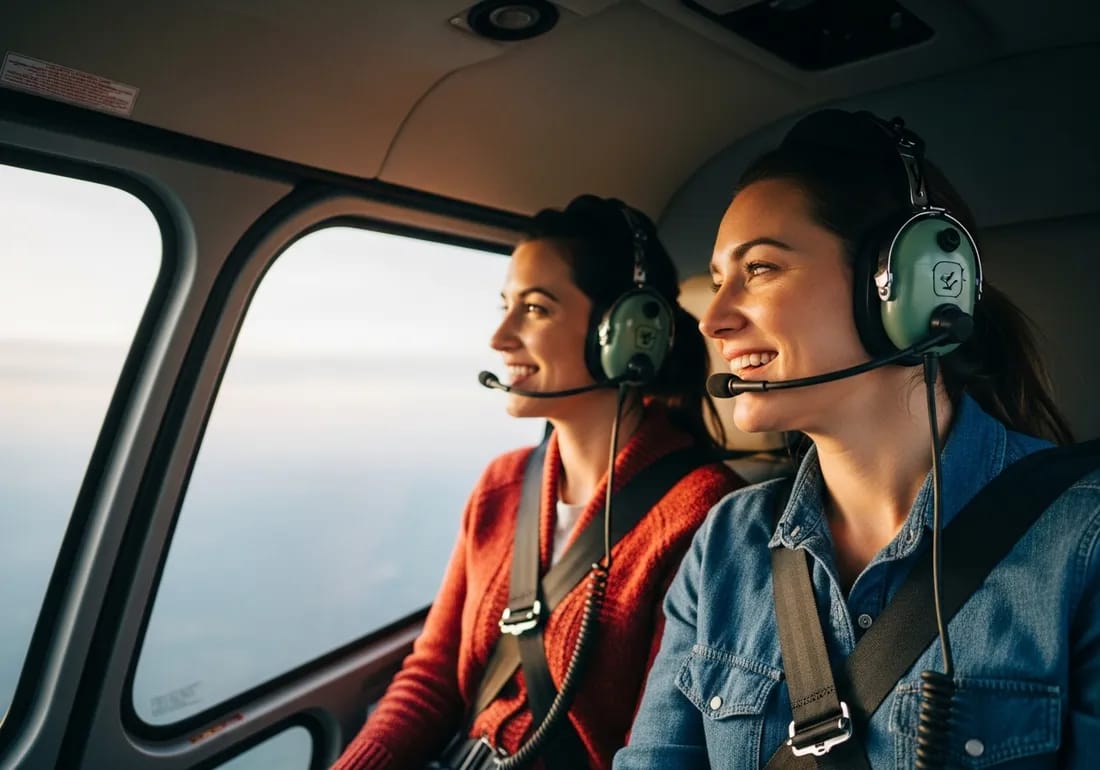
Finally, listen to your own comfort level. If you are prone to motion sickness, choose a shorter flight and sit near the center of the helicopter. The pilot's commentary will help you focus on the sights rather than the sensation of movement. And if you are bringing young children, check the age and weight restrictions in advance. Most operators allow infants on lap, but policies vary.
With these factors in mind, you can match a niagara falls helicopter tour to your specific needs. The right choice depends on balancing the route, duration, seating, and safety practices. Once you have reviewed the options and understand what each tour offers, you will be ready to book with confidence.